Buy payzon.eu ?
We are moving the project
payzon.eu .
Are you interested in purchasing the domain
payzon.eu ?
domain@kv-gmbh.de · 0541-91531010
Buy payzon.eu ?
'Vase or glass?'
It depends on the context and purpose. A vase is typically used for holding flowers or decorative branches, while a glass is used for drinking liquids. If the question is about which one to use for a specific purpose, then the answer would depend on whether the intention is to display flowers or to serve a beverage. Both have their own unique functions and can be chosen based on the specific need at hand. **
'How do you properly secure a climbing rope?'
To properly secure a climbing rope, start by tying a figure-eight knot at the end of the rope. Then, pass the rope through the anchor point and back down through the figure-eight knot. Next, tie a backup knot such as a stopper knot or an overhand knot to ensure the figure-eight knot doesn't come undone. Finally, double-check your knots and make sure the rope is properly positioned before beginning your climb. **
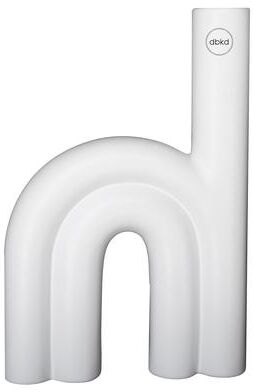

Similar search terms for DBKD-Lg-ROPE-Vase
Top-Angebote
Products related to DBKD-Lg-ROPE-Vase:


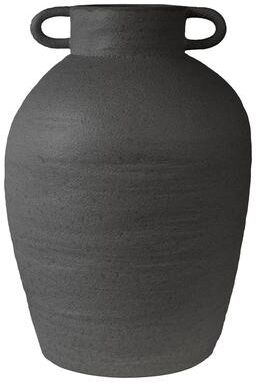

-
What is rope friction and rope force?
Rope friction is the resistance encountered when a rope slides over a surface or through a system of pulleys. It is caused by the interaction between the rope and the surface it is in contact with, which can reduce the efficiency of the system. Rope force, on the other hand, is the tension or force exerted on a rope when it is being pulled or supporting a load. It is important to consider both rope friction and rope force when designing systems involving ropes to ensure safety and efficiency. **
-
How can one secure the rope without climbing up?
One way to secure the rope without climbing up is to use a ground anchor. This involves driving a stake or anchor into the ground and attaching the rope to it using a secure knot. Another option is to use a belay device or a friction hitch to create a secure attachment point on the ground. Additionally, you could ask a partner or bystander to hold the rope taut while you secure it from the ground. **
-
How can one secure a suitcase with a rope?
To secure a suitcase with a rope, start by wrapping the rope around the suitcase and tying a secure knot to hold it in place. Make sure to tie the rope tightly to prevent the suitcase from opening. You can also add additional knots or loops to further secure the rope in place. Finally, double-check that the rope is tightly secured around the suitcase before transporting it. **
-
Who knows this vase?
The person who knows this vase is likely the owner or someone who has a personal connection to it. It could also be someone who has studied or researched the vase, such as an art historian or a museum curator. Additionally, the artist or creator of the vase would also have knowledge of it. **

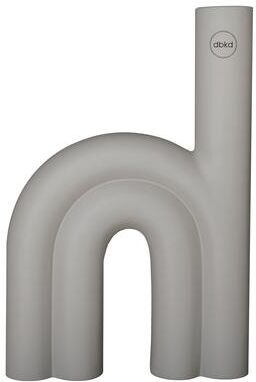
Who made this vase?
This vase was made by an ancient Greek potter and artist. It is an example of Greek pottery from the 5th century BC, known for its intricate designs and skilled craftsmanship. The artist's name is not known, as pottery from this time period was typically not signed or attributed to specific individuals. However, it is likely that the vase was made in a workshop where multiple artists and potters collaborated on creating such pieces. **
Is the vase broken?
Yes, the vase is broken. It is in pieces and cannot be used in its original form. **
Top-Angebote
Products related to DBKD-Lg-ROPE-Vase:
-
'Vase or glass?'
It depends on the context and purpose. A vase is typically used for holding flowers or decorative branches, while a glass is used for drinking liquids. If the question is about which one to use for a specific purpose, then the answer would depend on whether the intention is to display flowers or to serve a beverage. Both have their own unique functions and can be chosen based on the specific need at hand. **
-
'How do you properly secure a climbing rope?'
To properly secure a climbing rope, start by tying a figure-eight knot at the end of the rope. Then, pass the rope through the anchor point and back down through the figure-eight knot. Next, tie a backup knot such as a stopper knot or an overhand knot to ensure the figure-eight knot doesn't come undone. Finally, double-check your knots and make sure the rope is properly positioned before beginning your climb. **
-
What is rope friction and rope force?
Rope friction is the resistance encountered when a rope slides over a surface or through a system of pulleys. It is caused by the interaction between the rope and the surface it is in contact with, which can reduce the efficiency of the system. Rope force, on the other hand, is the tension or force exerted on a rope when it is being pulled or supporting a load. It is important to consider both rope friction and rope force when designing systems involving ropes to ensure safety and efficiency. **
-
How can one secure the rope without climbing up?
One way to secure the rope without climbing up is to use a ground anchor. This involves driving a stake or anchor into the ground and attaching the rope to it using a secure knot. Another option is to use a belay device or a friction hitch to create a secure attachment point on the ground. Additionally, you could ask a partner or bystander to hold the rope taut while you secure it from the ground. **
Similar search terms for DBKD-Lg-ROPE-Vase
-
How can one secure a suitcase with a rope?
To secure a suitcase with a rope, start by wrapping the rope around the suitcase and tying a secure knot to hold it in place. Make sure to tie the rope tightly to prevent the suitcase from opening. You can also add additional knots or loops to further secure the rope in place. Finally, double-check that the rope is tightly secured around the suitcase before transporting it. **
-
Who knows this vase?
The person who knows this vase is likely the owner or someone who has a personal connection to it. It could also be someone who has studied or researched the vase, such as an art historian or a museum curator. Additionally, the artist or creator of the vase would also have knowledge of it. **
-
Who made this vase?
This vase was made by an ancient Greek potter and artist. It is an example of Greek pottery from the 5th century BC, known for its intricate designs and skilled craftsmanship. The artist's name is not known, as pottery from this time period was typically not signed or attributed to specific individuals. However, it is likely that the vase was made in a workshop where multiple artists and potters collaborated on creating such pieces. **
-
Is the vase broken?
Yes, the vase is broken. It is in pieces and cannot be used in its original form. **
* All prices are inclusive of VAT and, if applicable, plus shipping costs. The offer information is based on the details provided by the respective shop and is updated through automated processes. Real-time updates do not occur, so deviations can occur in individual cases. ** Note: Parts of this content were created by AI.